

What Internet Really Costs in Houston: The Honest Math
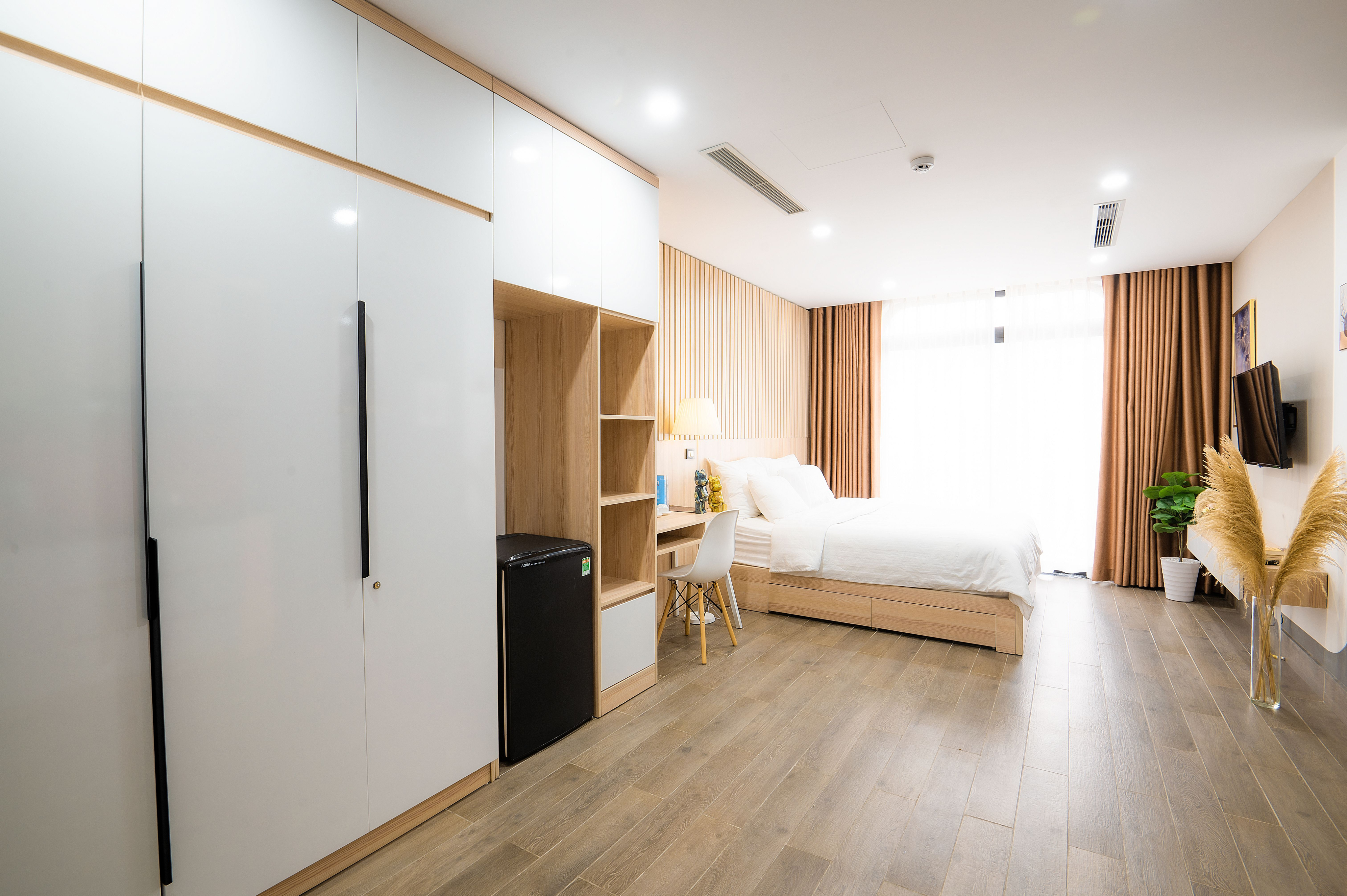
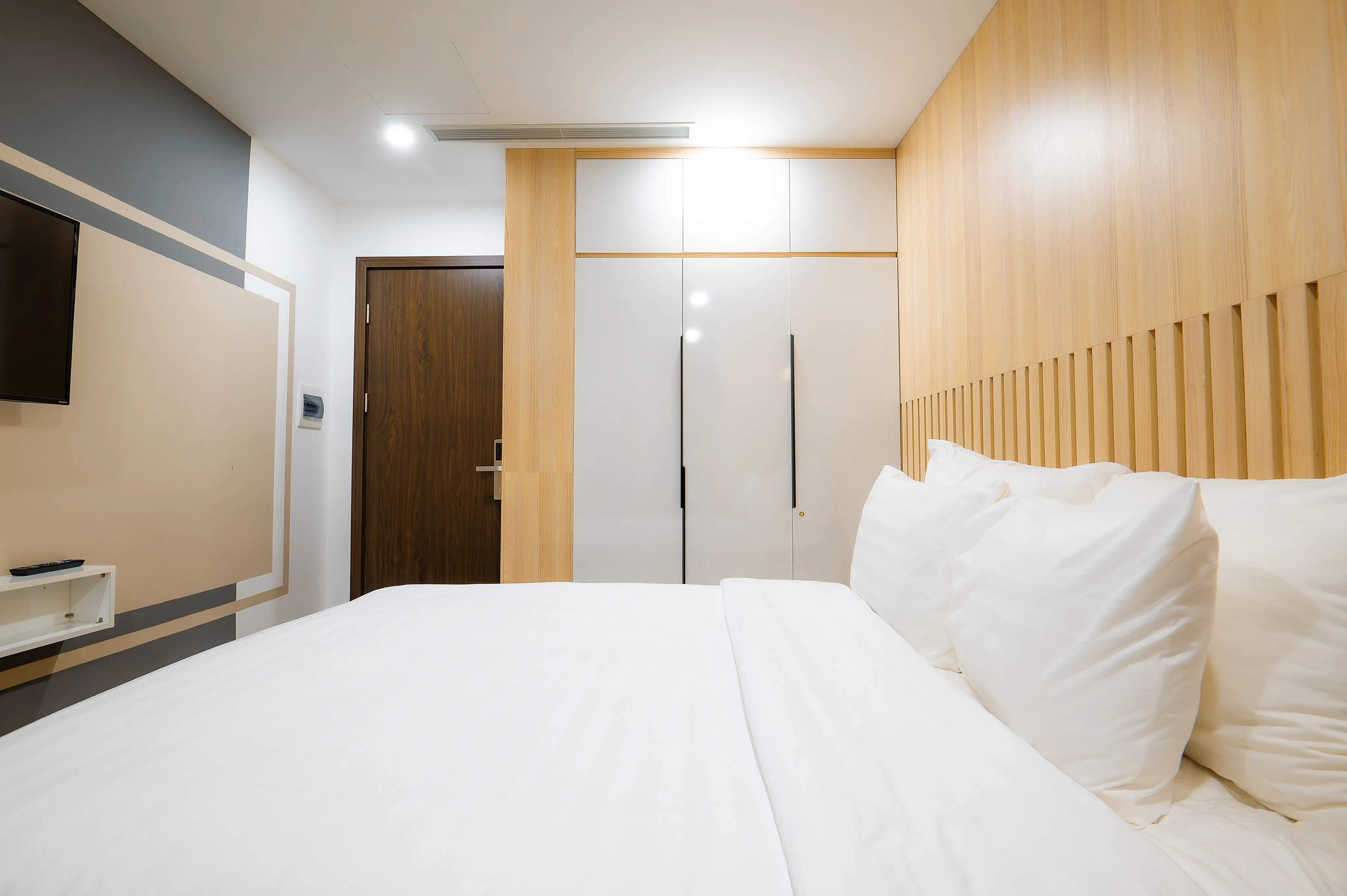
Quick Answer: What internet really costs in Houston is usually more than the advertised rate. Plans are listed from about $35 to $100 a month, and the national average bill reached $81.16 in March 2026, per BroadbandNow. Add equipment and post-promo increases, and a year runs close to $1,000. When internet is included in rent, that separate bill goes away. A $40 plan rarely stays a $40 bill. To see what internet really costs in Houston, you have to look past the promo rate to the equipment fee and the price after month 12. The Reserve at Rye 290, serving Northwest Houston along the Hwy 290 corridor, offers gated studio apartments in Houston where bills are rolled into one monthly payment, so this math matters to renters here. What Is the Average Internet Bill in Houston? The average internet bill nationwide was $81.16 a month as of March 25, 2026, according to BroadbandNow, which works out to about $973 a year. In Houston, advertised plans from the two largest providers run roughly $35 to $100 a month, and most households land somewhere in the $60 to $80 range once fees are added. Nearly everyone pays it. The U.S. Census Bureau reports that 90.1% of Houston households had a broadband subscription in its 2020 to 2024 estimates, which makes internet less of an extra and more of a fixed utility. Why the Advertised Price Isn't the Bill Listings refreshed in September 2026 show AT&T Fiber plans in Houston at about $35 to $90 a month and Xfinity at about $40 to $100. Those are new-customer prices. Many carry a 12-month clock. Equipment is the second gap. CNET estimates modem and router rental adds about $15 a month when it isn't bundled into the plan. Then there's the renewal: in the Reviews.org 2026 Consumer Trust Survey, 73% of Americans said their internet bill went up over the past 12 months, compared with 43% a year earlier. One honest caveat. Published averages differ by source and method, so treat any single figure for what internet really costs in Houston as a benchmark, not a quote. Your address decides which providers and speeds you can actually buy. How Much Does Apartment Internet Cost Over 12 Months in Houston? Apartment internet on a standalone plan costs most Houston renters between $600 and $1,000 a year. A $55 plan with a $15 equipment fee comes to $840 across 12 months before taxes, and the national average bill adds up to about $973. Installation or activation charges, where they apply, come on top. That yearly total is what internet really costs in Houston for a typical renter. Want to check a plan before you sign? Every provider has to show a Broadband Facts label at the point of sale. The FCC's broadband consumer labels list the monthly price, whether that price is introductory, the data allowance and typical speeds. The FCC simplified the label format in July 2026, but those core details are still required. Cheap Internet Houston Renters Can Actually Get Cheap internet Houston searches usually surface promo rates in the $30 to $45 range. They're real, but read the term. A $45 rate that expires after a year is a different product from a $45 rate that holds, and the label tells you which one you're looking at. Low Cost Internet Houston Programs for Qualifying Households Low cost internet Houston households can qualify for comes from two places. Providers run their own income-based plans, with published rates of about $15 to $30 a month for 75 to 100 Mbps. The federal Lifeline program takes up to $9.25 a month off one phone or internet service per household. The larger Affordable Connectivity Program ended on June 1, 2024, and nothing federal has replaced it. What Changes at Apartments With Internet Included? Apartments with internet included move the cost from a separate provider bill into the rent. That removes the equipment fee, the promo expiration and the extra due date, and it means service is typically ready on move-in day. The tradeoff is choice: you usually get the building's provider and speed tier, not your own pick. Cost item Your own plan in Houston Internet included in rent Monthly service About $35 to $100 advertised Built into rent Equipment rental About $15 a month if not bundled No separate charge in most setups Price after the promo Often rises after 12 months Tied to your lease term Setup Appointment or self-install kit Usually active at move-in Provider and speed Your choice Set by the community 12-month separate cost About $840 to $973 $0 outside of rent All Bills Paid Apartments: One Payment Instead of Several All bills paid apartments take the same idea further by folding utilities into the rent as well. For a renter, the useful number is the combined internet and utilities cost you'd otherwise pay on top of a base rent. Census data puts Houston's median gross rent at $1,361, so an extra $70 to $80 a month for internet alone is a real share of a housing budget. Search listings for Houston apartments internet included and you'll find the wording varies a lot. Some communities mean Wi-Fi in common areas only. Others mean a connection inside the apartment. Ask which one, and get it in writing on the lease. Knowing what internet really costs in Houston on a separate plan makes that comparison easier. At The Reserve at Rye 290, rent and utilities are covered by one monthly payment, and high-speed internet is listed among the apartment amenities . The leasing office can confirm exactly what your lease covers before you apply. Frequently Asked Questions 1. How much is internet per month in Houston? Advertised plans from the largest Houston providers run about $35 to $100 a month as of September 2026. After equipment and fees, many households pay $60 to $80. The national average sat at $81.16 in March 2026, according to BroadbandNow, so what internet really costs in Houston tracks close to the rest of the country. 2. Is internet always part of an all bills paid rent? No. The phrase has no single legal definition in Texas, and communities use it differently. Electricity and water are the usual core. Internet and cable may or may not be part of it. Ask for the list of covered services and check that your lease matches what you were told. 3. What should I ask when internet is included in rent? Is the connection inside my apartment or only in shared areas? What speed should I expect, and is there a data limit? Can the included service or its price change during my lease? Am I allowed to add my own provider if I need more speed? 4. Why did my internet bill go up after a year? Most likely a promotional rate ended. Many plans are priced for the first 12 months, then move to a standard rate. The Broadband Facts label shown at sign-up states whether the monthly price is introductory and what it becomes later, so it's worth saving a copy when you order. 5. Is there still a federal discount for home internet? Yes, a smaller one. Lifeline offers eligible low-income households up to $9.25 a month off one phone or internet service. The Affordable Connectivity Program, which paid up to $30, ended June 1, 2024. Several providers also run their own reduced-price plans for qualifying customers, so ask about those when you shop. Conclusion Add it up and what internet really costs in Houston is closer to $840 to $973 a year than the promo price suggests. When that cost sits inside the rent, there's one less bill to track and no renewal surprise in month 13. Renters comparing options in Northwest Houston can look over the studio and efficiency floor plans at The Reserve at Rye 290, or use the map and directions page to plan a visit off Hwy 290.
Read more