Quick Answer: Apartment parking setups fall into a few main types: surface lots, covered carports, multifloor garages, and tandem spaces. The right apartment parking setup depends on your budget, your car, and how often you drive. Surface lots cost the least, while structured garages add security and weather protection for a higher monthly fee.
Parking shapes daily life at any community, yet most renters never think about it until move-in day. Apartment parking setups vary widely from one property to the next, and those differences hit your monthly cost, your commute, and even your car's paint. The Reserve at Rye 290 is a gated community serving Northwest Houston along the US-290 corridor, where on-site parking is part of the appeal. Here is how the common configurations stack up.
What to Look For in Apartment Parking Setups
Apartment parking setups boil down to four questions. Is the space covered? Is it assigned to you? Does it cost extra each month? And can you reach your car without moving someone else's first? Answer those four and everything else is detail. The sections below break down each layout and what it means for a renter's wallet and routine.
How Do Surface Parking Lots and Multifloor Parking Compare?
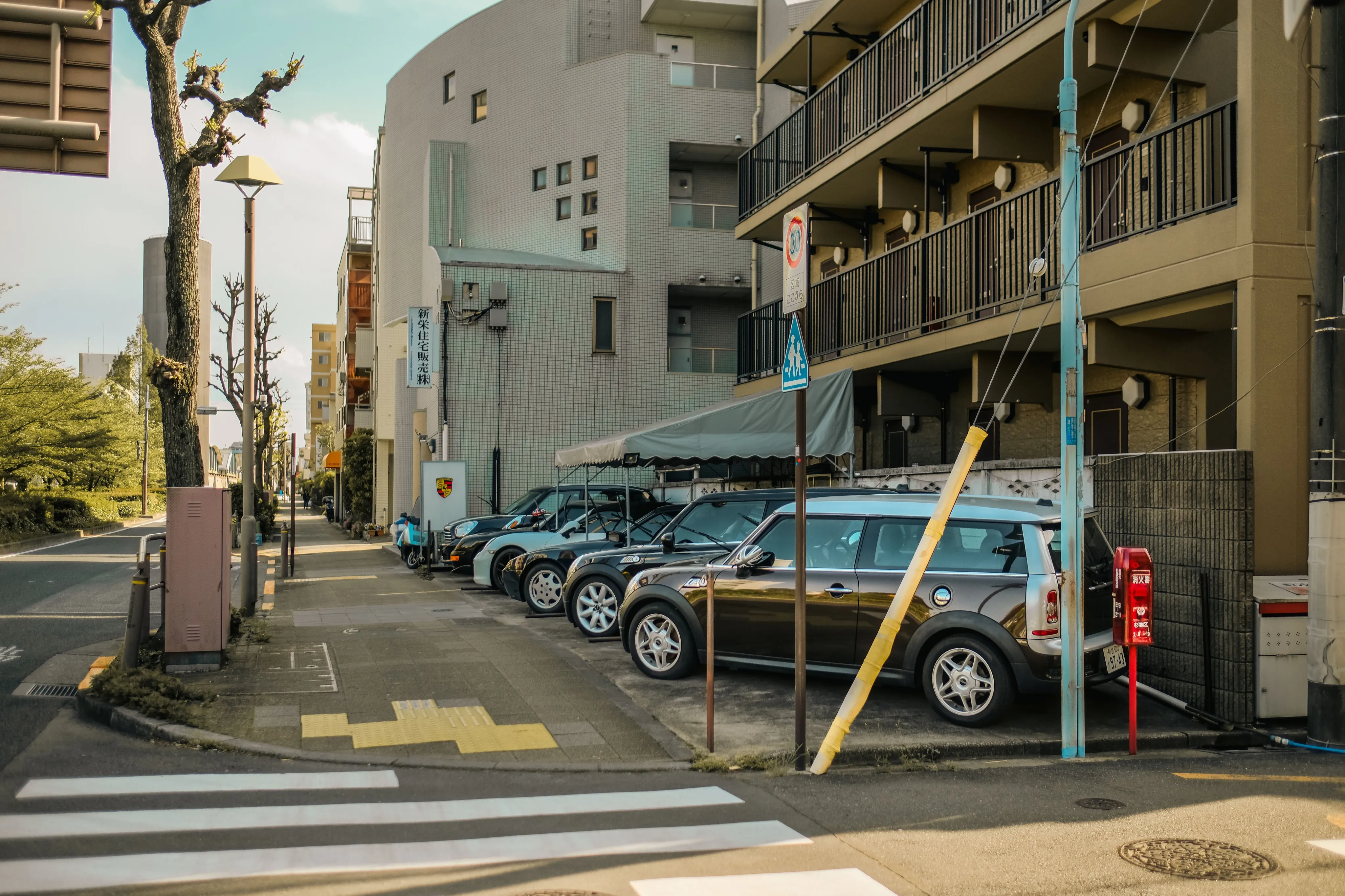
Surface parking lots are open, striped lots at ground level, the most common option at garden-style communities. Multifloor parking stacks spaces across decks or below grade instead. Surface lots cost less and let you spot your car from the unit. Multifloor garages fit more vehicles on less land and shield those cars from sun and storms.
Cost is the big divider. According to DBS Group construction estimates, a surface stall runs roughly $1,500 to $3,000 to build when site prep is minimal, while an underground space can climb to $25,000 to $50,000. As much as 70% of a parking garage's price sits in its structural system. Those figures never appear on your lease, but they explain why covered and structured parking almost always carry a fee.
Multifloor parking earns its keep where land is scarce. You trade a short ramp climb for a covered, usually gated space. Surface lots win on price and quick access. Live somewhere with brutal summers, like Houston, and covered parking pays you back in a cooler cabin and slower paint fade.
| Parking Setup | Typical Monthly Cost | Best For | Watch Out For |
|---|---|---|---|
| Surface lot | Often included or low fee | Budget and easy access | No weather protection |
| Covered carport | Modest add-on | Sun and hail protection | Open sides, limited security |
| Multifloor garage | Higher monthly fee | Security and climate shelter | Ramps and tighter spaces |
| Tandem space | Often shared or discounted | Two-car households | One car blocks the other |
Tandem Parking and Smart Parking Solutions for Apartments
Tandem parking puts two cars end to end in one long space, so the rear car cannot leave until the front one moves. A standard two-car tandem space measures about 9 feet wide and 36 feet long. It is a space-saving favorite in dense cities and townhome communities, and it works best when the people sharing it keep predictable schedules.
The tradeoff is coordination. When schedules clash, someone gets blocked in, and minor scrapes between neighbors' cars happen more than you would expect. Communities cut that friction with clear assignments and written rules. Other parking solutions for apartments include reserved single spaces, gated garages, and electric-vehicle charging stalls, which more properties add every year. You can see how parking fits alongside the rest of a community's perks on the community amenities page.
How Apartment Parking Permits Keep Lots Organized
Apartment parking permits tell management which cars belong and which do not. The old approach relied on hang tags and window decals. Plenty of communities have moved to digital permits tied to your license plate, often handled through the same resident portal that processes rent and maintenance. Plate-reading software can flag an unregistered vehicle without a single sticker on the glass.
Programs differ by property. Aya apartments resident parking, for instance, includes on-site spaces and a community garage, a setup that shows how modern communities fold parking into the resident experience rather than treating it as an afterthought. Digital permit tools often pull resident lists straight from property software like Entrata, which keeps the lot accurate as people move in and out.
Federal rules shape every lot too. The Americans with Disabilities Act sets minimum accessible-space counts, and at least one of every six accessible spaces must be van accessible. Those counts are figured for each lot or garage on a property, not the site as a whole. You can read the full standards on the U.S. Department of Justice ADA parking page.
Frequently Asked Questions
1. What is the most common apartment parking setup?
The surface lot is the most common apartment parking setup, especially at garden-style communities. It is an open, striped lot at ground level with no cover. Surface parking lots keep costs down and let you keep an eye on your car, though they leave it exposed to weather. Many properties offer covered or garage upgrades for an added fee.
2. Does covered or multifloor parking cost extra?
Usually, yes. Surface spaces are often included in rent, while covered carports and multifloor parking add a monthly charge. The fee reflects the higher cost to build and maintain a structure. As of June 2026, the gap can range from a small carport add-on to a steeper garage rate, so confirm the exact figure with the leasing office before signing.
3. How do you make tandem parking work with a roommate?
Tandem parking runs smoothly when both people plan ahead. A few habits prevent most blocked-in mornings:
- Agree on a parking order based on who leaves earlier each day.
- Swap the front and back positions monthly if both cars get equal use.
- Trade keys or contact info for the rare early or late departure.
- Get the assigned spot and the shared rules written into your lease.
4. Do apartments require a parking permit?
Most communities require some form of registration. Apartment parking permits, whether a physical decal or a digital plate registration, confirm that a vehicle belongs in the lot. They help management spot unauthorized cars and keep resident spaces open. Expect to register each vehicle and any frequent guests when you move in, usually through the leasing office or resident portal.
5. Are apartment communities required to offer accessible parking?
Yes. Under the Americans with Disabilities Act, communities that provide parking must include accessible spaces, with the required number based on each lot or garage. At least one of every six accessible spaces must be van accessible, and the spaces must sit on the shortest route to an accessible entrance. The federal standards apply to both surface lots and structured garages.
Conclusion
The best apartment parking setups match how you actually live. A surface lot suits the renter who wants the lowest cost and the shortest walk to the door. A multifloor garage rewards anyone who values shelter and security. Tandem spaces fit two-car households with synced routines. Before you sign, ask what is included, what costs extra, and where your guests will park. At The Reserve at Rye 290, parking comes built into a gated community near US-290. Browse the studio and efficiency floor plans and check the neighborhood map and directions to picture your daily drive.