
Quick Answer: To negotiate your apartment lease, gather local rent comparables, document your record as a reliable tenant, and start the conversation 30 to 90 days before renewal. Yes, rent is often negotiable, especially in a softer market. Lead with numbers, stay professional, and get any agreement in writing.
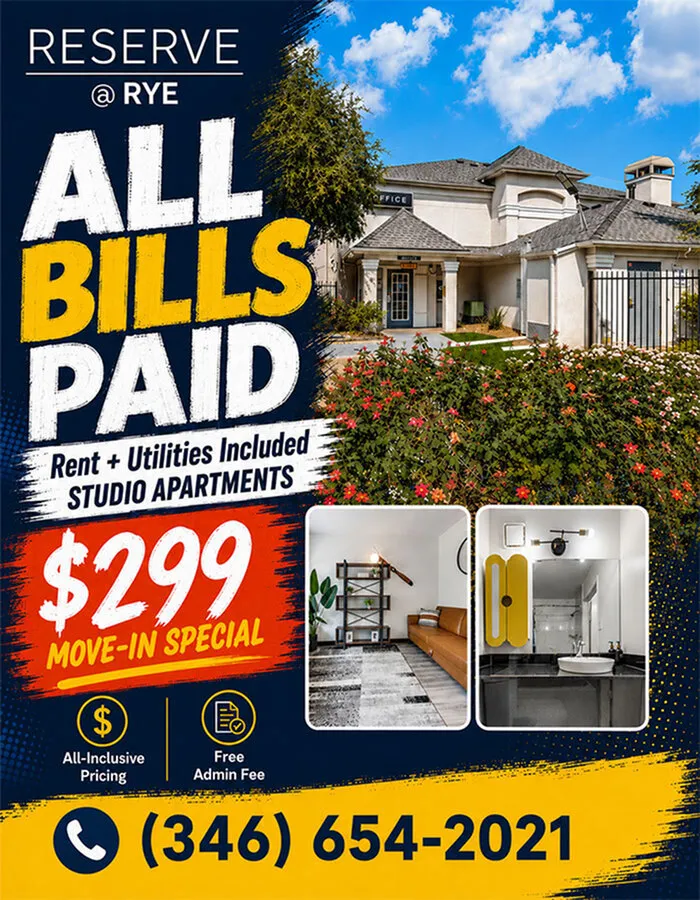
Rent is the largest line in most household budgets, so learning to negotiate your apartment lease can put real money back in your pocket every month. Here is the encouraging part for 2026: Houston renters hold more leverage than they did a year ago. Anyone weighing a move can review current studio and efficiency floor plans at The Reserve at Rye 290 before a single word about price comes up.
What It Means to Negotiate Your Apartment Lease
Negotiating your apartment lease means asking your landlord or property manager to adjust the rent, fees, or terms before you sign or renew. It covers far more than the monthly number. Lease negotiations can touch deposits, parking, pet fees, lease length, and small upgrades, each of which changes what you actually pay over a year.
The savings add up faster than people expect. A rent discount of $75 a month is $900 across a twelve-month term. Landlords understand this math too. Turning over a unit costs them advertising, cleaning, fresh paint, and weeks of empty days, so keeping a dependable tenant is frequently cheaper than chasing a new one. That gap is your leverage, and a good negotiation simply makes the cheaper choice obvious for both sides.
Can Rent Be Negotiated, and When Should You Ask?
Can rent be negotiated? In most cases, yes, though success depends on your local market and how appealing you look as a tenant. Timing matters most. Reach out 30 to 90 days before your lease ends, while the office still has time to make a deal and you still have time to compare other places.
Market data strengthens your case. As of June 2026, RentCafe pegged the average Houston apartment rent at about $1,345, down roughly 1.2% from a year earlier, with studios near $1,004. Other trackers report higher citywide figures, so published averages do vary by source. The broader Houston market softened in early 2026 as new construction came online, and many property managers leaned on concessions instead of rent hikes. That shift hands renters real bargaining room.
Season plays a part as well. Demand cools in late fall and winter, which means a request made in December often gets a warmer reception than the same ask during the spring rush. Empty units earn the owner nothing, so a building with several vacancies is a building ready to talk.
Reasons for Rent Reduction That Work
The strongest reasons for rent reduction are concrete, not emotional. Build your ask around evidence the office can verify:
- A clean payment history with no late payments or noise complaints.
- A long tenancy the property would rather keep than replace.
- The rent differential between your unit and comparable nearby listings.
- A willingness to sign a longer term, such as 18 or 24 months.
- Paying several months of rent upfront, if your budget allows it.
How to Negotiate Rent Increase Notices at Renewal
When a renewal notice arrives with a higher number, do not accept it on reflex. To negotiate rent increase letters effectively, respond in writing, acknowledge the notice, and counter with comparables plus your track record. Even if the office holds firm on base rent, you can often trade part of the increase for waived fees, a small upgrade, or a repair you have been waiting on.
Stay calm and specific. A short, friendly note that says "I want to renew, here are three nearby units priced lower, and I have paid on time every month" lands better than frustration ever will. The table below shows what is realistic to put on the table.
| Your Ask | What It Can Save | When It Works Best |
|---|---|---|
| Lower base rent | $25 to $150+ per month | Soft market, strong tenant history |
| Longer lease term | A smaller or zero increase | Landlord wants to avoid turnover |
| Waived or reduced fees | $20 to $75 per month | Parking, pet, or amenity fees you can trim |
| One free month or concession | Roughly 8% off the year | Several vacant units in the building |
| Combine two small asks | The largest realistic savings | Almost any renewal conversation |
Negotiating Lease Renewal Step by Step
Negotiating lease renewal goes smoother with a plan:
- Research three to five comparable units and note the rent differential.
- List your strengths as a tenant in plain, honest bullet points.
- Send a short letter rent reduction request that states your number and your reasons.
- Weigh the amenities you actually use against any fees you pay for ones you do not.
- Factor in the neighborhood and commute so your final figure reflects real value, then confirm any agreement in writing before you sign.
Knowing your rights also helps you negotiate from steadier ground. For a plain-language overview of renter protections and where to turn if a dispute comes up, the federal government's tenant rights resource is a solid starting point.
Frequently Asked Questions
1. Can you negotiate rent on a lease renewal?
Yes. Renewal is often the best moment, because keeping a reliable resident usually costs the property less than finding a new one. Open the conversation 30 to 60 days out, bring comparable rents, and ask plainly whether the rate can stay flat or rise less than proposed.
2. What should I say to negotiate a rent increase?
Keep it factual and friendly. A simple script does the work:
- "I would like to renew and stay here."
- "Similar units nearby are listed for less."
- "I have paid on time every month."
- "Can we hold the rent flat, or lower the increase?"
3. Is it better to negotiate rent by email or in person?
Start in writing. An email or brief letter gives both sides a clear record of what was asked and offered, which protects you later. You can always follow up with a friendly call or office visit once your written request is on file and the manager has had time to review it.
4. How much of a rent discount can I realistically ask for?
In a soft market, a 5% to 10% adjustment is a reasonable opening ask, though many renters land closer to a held-flat rate or a modest rent discount. Lead with comparables. A number backed by nearby listings is far harder to wave off than a round guess.
5. What if my landlord says no?
Stay professional and ask about alternatives, such as waived fees, a free month, or a longer term at a better rate. If the answer is still no and comparable homes cost less, you have the information you need to decide whether to renew, counter again, or move on.
Conclusion
You have more room than you think to negotiate your apartment lease, especially in a Houston market that has tilted toward renters in 2026. Do your homework, lead with numbers, and keep the tone respectful, and you will often walk away with a better deal or at least a smaller increase. Want to compare your options first? Explore The Reserve at Rye 290 in Northwest Houston and see how the value stacks up before you sit down to talk.