New Apartments Along Hwy 290, Northwest Houston, TX: What's Being Built

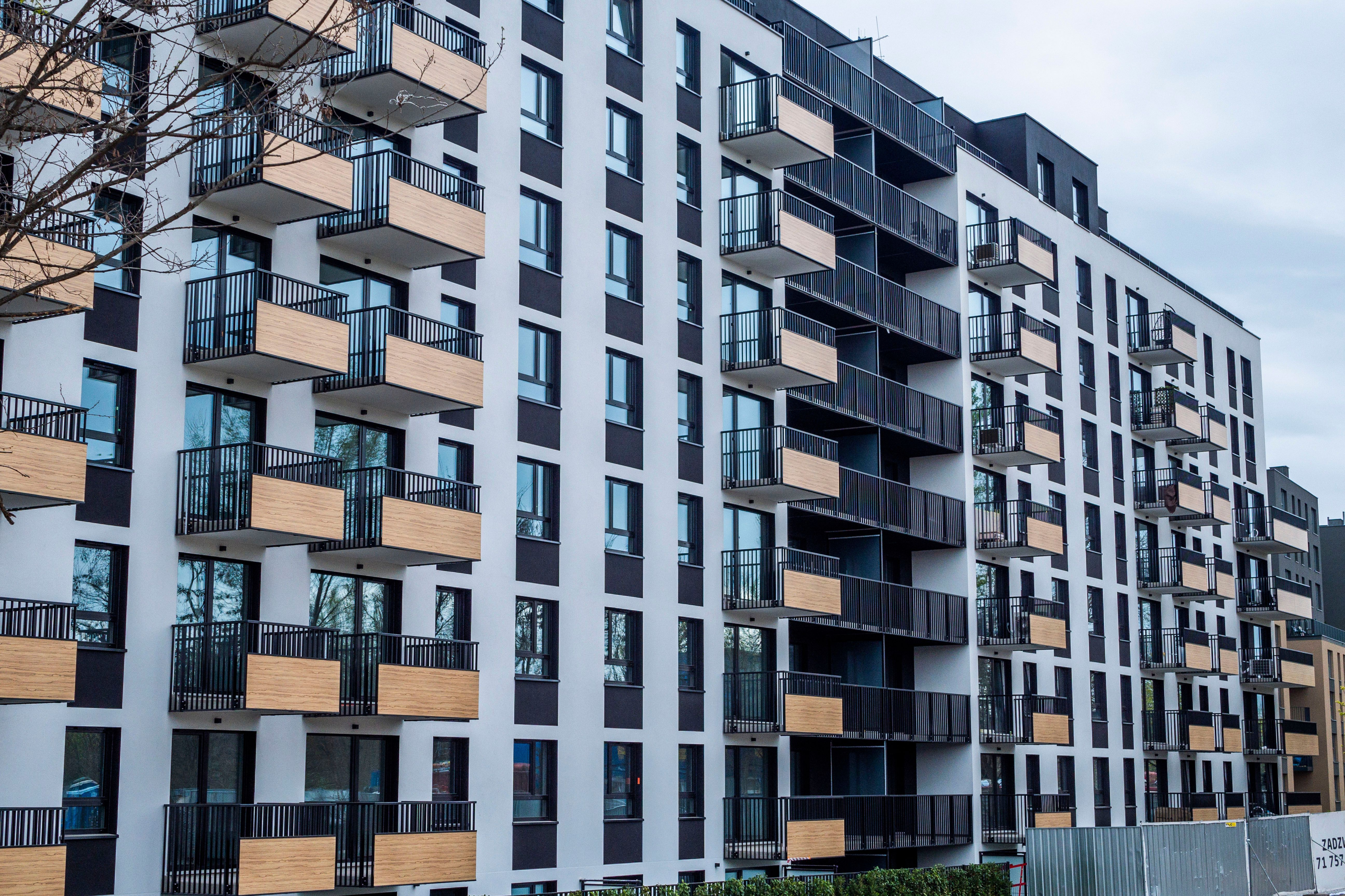
Quick Answer: Highway 290 northwest Houston is experiencing significant apartment development. New complexes offer modern amenities, construction warranties, and competitive pricing ($1,200–$1,700 for 1BR). The Reserve at Rye 290 exemplifies this trend. New apartments along this corridor provide affordable housing with convenient access to north/northwest Houston employers and quick I-10 downtown connection.
Introduction
Northwest Houston along Highway 290 is booming. Apartment developers are building to meet demand from growing populations moving north from downtown. If you're apartment hunting in Houston, you've likely seen advertisements for new complexes along this corridor.
New apartments offer advantages—modern construction, updated amenities, builder warranties—but also considerations. Higher rent than existing complexes, ongoing construction noise, and establishing neighborhoods without history. Understanding these factors helps you decide if The Reserve at Rye 290 or similar new construction makes sense for your situation.
---Understanding Highway 290 and Northwest Houston Growth
What Is Highway 290?
Highway 290 is a major northwest corridor running from downtown Houston (near Heights) northwest toward Navasota. Key sections for renters include:
- Inner Loop to Beltway 8: More urban, closer to downtown
- Beltway 8 to Highway 249: Suburban, emerging development zone
- Highway 249 and beyond: Outer suburban, newer development
Why the Development?
Several factors drive apartment construction along 290:
- Population growth: Houston metro adds 200,000+ residents annually
- Affordability: Northwest Houston cheaper than west side (Loop 610 west)
- Job centers: Medical centers, aerospace facilities, corporate offices nearby
- I-10 access: Quick downtown connection via I-10
- Development land: More vacant land than inner Houston areas
The Reserve at Rye 290: New Development Context
Location Overview
The Reserve at Rye 290 sits along northwest Houston's Highway 290 corridor, representing the new apartment wave transforming the area.
What "New" Means
When apartments are newly built or recently opened:
- Construction quality: Latest building codes, modern materials
- Amenities: State-of-the-art fitness centers, pools, tech-enabled features
- Floor plans: Modern, efficient use of space
- Warranties: Builder warranties covering structural defects
- Community: Still establishing, may have fewer established social groups
Highway 290 Commute Profile
- To downtown Houston: 20–25 minutes (via I-10)
- To Medical Center: 15–20 minutes
- To Northside employers: 10–15 minutes
- To Aerospace area (Kingwood): 20–25 minutes
Best for: Those working in north/northwest Houston areas or willing to commute downtown via I-10. When comparing Houston options, Houston vs. San Antonio cost comparisons show regional pricing, and west Houston studio options offer alternatives.
---Neighborhoods Along Highway 290
Inner 290 (Between I-10 and Beltway 8)
More established urban neighborhoods with mixed uses.
- Character: Urban to near-urban
- Walkability: Moderate to good in some areas
- Demographics: Diverse, mixed-income
- Rent range: $1,100–$1,400 (1BR)
- Traffic: Higher volume, busier corridor
Outer 290 (Beltway 8 to Highway 249)
Rapidly developing suburban areas with new construction.
- Character: Suburban, family-oriented
- Walkability: Low (car-dependent)
- Demographics: Younger families, young professionals
- Rent range: $1,200–$1,600 (1BR)
- Traffic: Still developing; commute times improving
Far Outer 290 (Highway 249 and Beyond)
Newest development, furthest from downtown.
- Character: New suburban sprawl
- Walkability: Very low
- Demographics: Families seeking new homes and lowest prices
- Rent range: $1,000–$1,400 (1BR)
- Traffic: Least congested but longest downtown commutes (30–40 minutes)
Advantages of New Apartments Along 290
Construction Quality and Warranties
New construction offers building advantages:
- Modern building codes: Better insulation, energy efficiency
- Structural warranties: Builders guarantee construction quality
- Updated plumbing/electrical: Fewer maintenance issues from age
- HVAC systems: New AC units are more reliable and efficient
Modern Amenities
New complexes feature contemporary amenities:
- State-of-the-art fitness centers with latest equipment
- Tech-enabled features (smart locks, app-based maintenance requests)
- Modern pool designs with lounge areas
- Co-working spaces (valuable for remote workers)
- Package lockers and e-commerce return stations
- Pet amenities (dog parks, pet grooming areas)
Efficient Floor Plans
New construction optimizes space:
- Larger square footage for similar rent versus older complexes
- Better kitchen layouts with modern appliances
- Designed-in storage solutions
- Open-concept living maximizes perceived space
Leasing Incentives
New properties often offer move-in specials:
- One month free rent (spread across lease term)
- Reduced/waived application fees
- Free parking or parking upgrades
- Waived pet fees during opening phase
Negotiate these offers. New properties have empty units and are incentivized to fill them. Ask about current move-in specials. When evaluating any apartment lease, understanding negotiation options is important.
---Disadvantages of New Apartments Along 290
Higher Rent
New construction costs more:
- Typical premium: 10–25% higher than older nearby complexes
- Reasoning: Modern materials, amenities, smaller initial tenant base with shared costs
- Long-term: Rents stabilize as complexes mature and establish broader tenant base
Construction Noise and Disruption
Many 290 properties have ongoing construction nearby:
- Adjacent lot development creating noise
- Corridor improvements (road work) affecting traffic/noise
- Infrastructure development in establishing neighborhoods
Ask: "What construction is planned nearby in the next 2–3 years?" Tour during construction hours to assess noise.
Establishing Neighborhoods
Brand-new areas lack history and established services:
- Fewer nearby restaurants (new ones opening, but selection limited)
- Shopping/retail still developing
- Community identity not yet established
- Fewer local businesses and services
Advantage: This changes quickly. In 12–24 months, entire neighborhoods transform. When comparing established neighborhoods like Willowbrook, development trajectory differs significantly.
Fewer Established Tenants and Community
New complexes lack established tenant base:
- Fewer long-term residents to answer questions
- Community feel takes time to develop
- Management still working out systems and policies
Highway 290 Growth Projections
What's Coming to the Area
Development along 290 is accelerating:
- Retail development: New shopping centers opening throughout the corridor
- Office parks: Corporate offices establishing locations
- Mixed-use development: Combining apartments, retail, offices
- Transportation improvements: Highway expansion projects in planning stages
Timeline for Area Maturation
New neighborhoods typically develop in phases:
- Year 1: Apartments and basic retail open
- Year 2–3: More restaurants, services, shopping centers
- Year 4–5: Community identity established, neighborhood maturing
- Year 5+: Stabilized neighborhood with full services
If you're moving to a new 290 area, expect gradual improvement in surrounding services.
---Cost Analysis: New Apartments vs. Established Complexes
| Factor | New Apartments (290) | Established Complexes |
|---|---|---|
| 1BR Rent | $1,300–$1,600 | $1,100–$1,400 |
| Utilities | $150–$180 (efficient systems) | $170–$200 (older HVAC) |
| Maintenance Costs | Minimal first 2–3 years | Normal age-related issues |
| Move-In Specials | Yes (common) | Rare |
| Warranty Coverage | Yes (structural) | No |
| Amenity Quality | State-of-the-art | Standard to basic |
Real cost comparison: New apartments might cost $200–$300 more per month but offer efficiency savings ($20–$30) and zero maintenance worry for 2–3 years. Premium is approximately $200/month.
When evaluating Houston options comprehensively, Houston vs. San Antonio comparisons show how Highway 290 prices compare regionally.
---Questions to Ask About New Apartments on 290
About the Building and Construction
- "When did the building open, and is construction complete?"
- "Are there any remaining construction projects in or near the building?"
- "Do you have builder's construction warranty coverage? What does it include?"
- "Have there been any substantial repairs needed since opening?"
About the Area and Development
- "What construction or development is planned nearby in the next 2–3 years?"
- "Which retailers and restaurants are coming to the area?"
- "Are there traffic or road improvements planned?"
- "How is the neighborhood expected to change over the next 3–5 years?"
About Rent and Incentives
- "What move-in specials are currently offered?"
- "Is rent fixed for my entire lease term, or can it increase?"
- "How much can I expect rent to increase at lease renewal?"
- "Are application and amenity fees negotiable?"
About Utilities and Efficiency
- "What utilities are included? Which are you responsible for?"
- "What are typical utility bills for units like mine based on current residents?"
- "Are HVAC units and appliances energy-efficient? What's the efficiency rating?"
Making the Decision: New vs. Established
Choose New Apartments If You:
- Value modern amenities and latest technology
- Want warranty coverage and minimal maintenance concerns
- Don't mind paying premium for quality assurance
- Like being part of an establishing community
- Work in north/northwest Houston or downtown with I-10 access
- Can negotiate good move-in specials
Choose Established Apartments If You:
- Prioritize lower rent
- Want established neighborhoods with full services
- Need immediate area familiarity (restaurants, shops, services)
- Prefer reading reviews from long-term tenants
- Value slightly lower utility costs of newer HVAC systems less
- Want more tenant community history to learn from
When comparing Houston neighborhoods and options, understand that other new construction like studios and family-focused communities offer alternatives with different characteristics.
---FAQ: New Apartments on Highway 290
Q1: Is new construction necessarily better than established apartments?
Not necessarily. New offers modern systems and warranties; established offers lower rent and neighborhood maturity. "Better" depends on your priorities. New is objectively more modern but subjectively worth the premium varies by person.
Q2: Should I worry about rent increases at renewal if renting a new apartment?
Possibly. New properties sometimes use introductory rent to attract initial tenants, then increase at renewal. Ask specifically what renewal increases the property targets. Budget for 5–10% increase at lease renewal.
Q3: Will the area around the new apartment develop quickly?
Yes, typically. Areas around new apartments develop rapidly as anchor tenants attract retail and services. Within 2–3 years, significant changes occur. By year 5, most basic services are established.
Q4: Are utilities cheaper in new apartments?
Typically yes, but not dramatically. Modern HVAC systems are 10–15% more efficient, saving $15–$30/month. Don't expect utility savings to offset higher rent premiums.
Q5: Should I take the move-in special or negotiate on rent?
Ask about both. Specials are commonly advertised. Rent negotiation is harder with new properties since they have published pricing. If possible, negotiate both: take the special AND ask for rent reduction or extended free period.
Q6: How long before a new complex has established tenant reviews online?
Figure 6–12 months. Initial reviews come from earliest tenants. By one year, you'll have substantial reviews on Google, Apartmentratings, or similar sites. Check back before signing if the complex just opened.
---Conclusion
Highway 290 northwest Houston is experiencing remarkable apartment development. New complexes like The Reserve at Rye 290 offer modern living with contemporary amenities and quality guarantees. However, this premium comes at a cost—higher rent, construction disruption, and establishing neighborhoods.
The decision between new and established apartments depends on your priorities. If modern amenities, warranty coverage, and being part of a developing community appeal to you, new apartments along 290 are worth the premium. If you prioritize affordability and established neighborhoods with full services, existing complexes in inner Houston areas offer better value.
Either way, use the questions in this guide to evaluate properties systematically. Ask about future area development to understand what the neighborhood will become in 3–5 years. Negotiate move-in specials aggressively—new properties expect it. Make your decision based on your specific needs and timeline, not just the newness factor. For comparison with other Houston neighborhoods, Willowbrook's established infrastructure offers different advantages.