Quick Answer: Furnished apartment living means renting a unit that already includes the furniture and household basics you need to move in with a suitcase. Furnished apartments usually cost 15% to 40% more per month than unfurnished units, so the value depends on how long you plan to stay and how much furniture you already own.
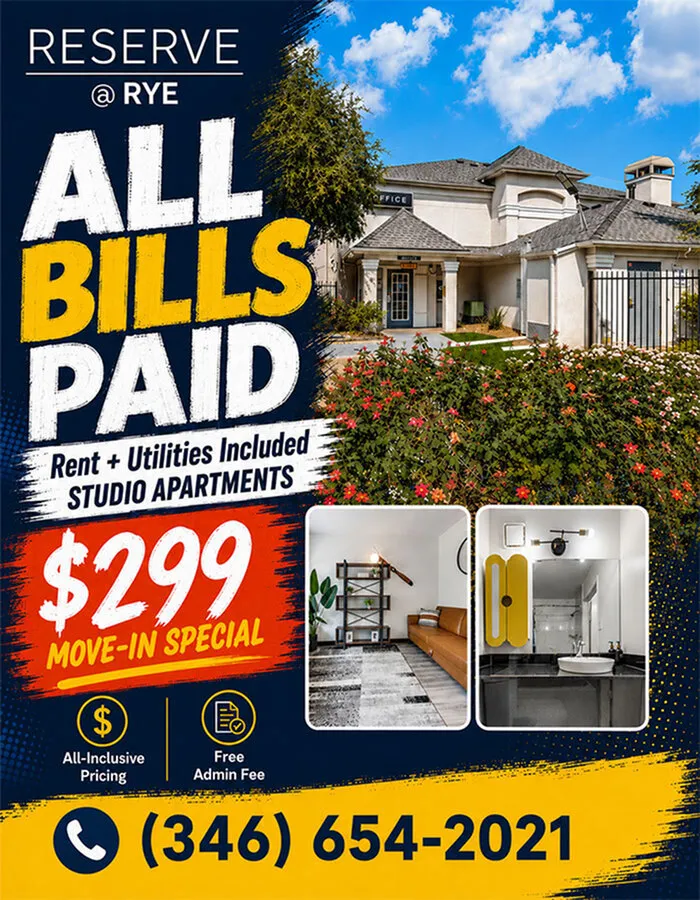
Moving into a new place is stressful enough without hauling a sofa up three flights of stairs. Furnished apartment living skips that headache: you sign a lease, drop your bags, and start living. The Reserve at Rye 290 serves renters across Northwest Houston along the US-290 corridor, where compact studio apartments make furnished-style setups both affordable and quick to arrange.
What Is Furnished Apartment Living?
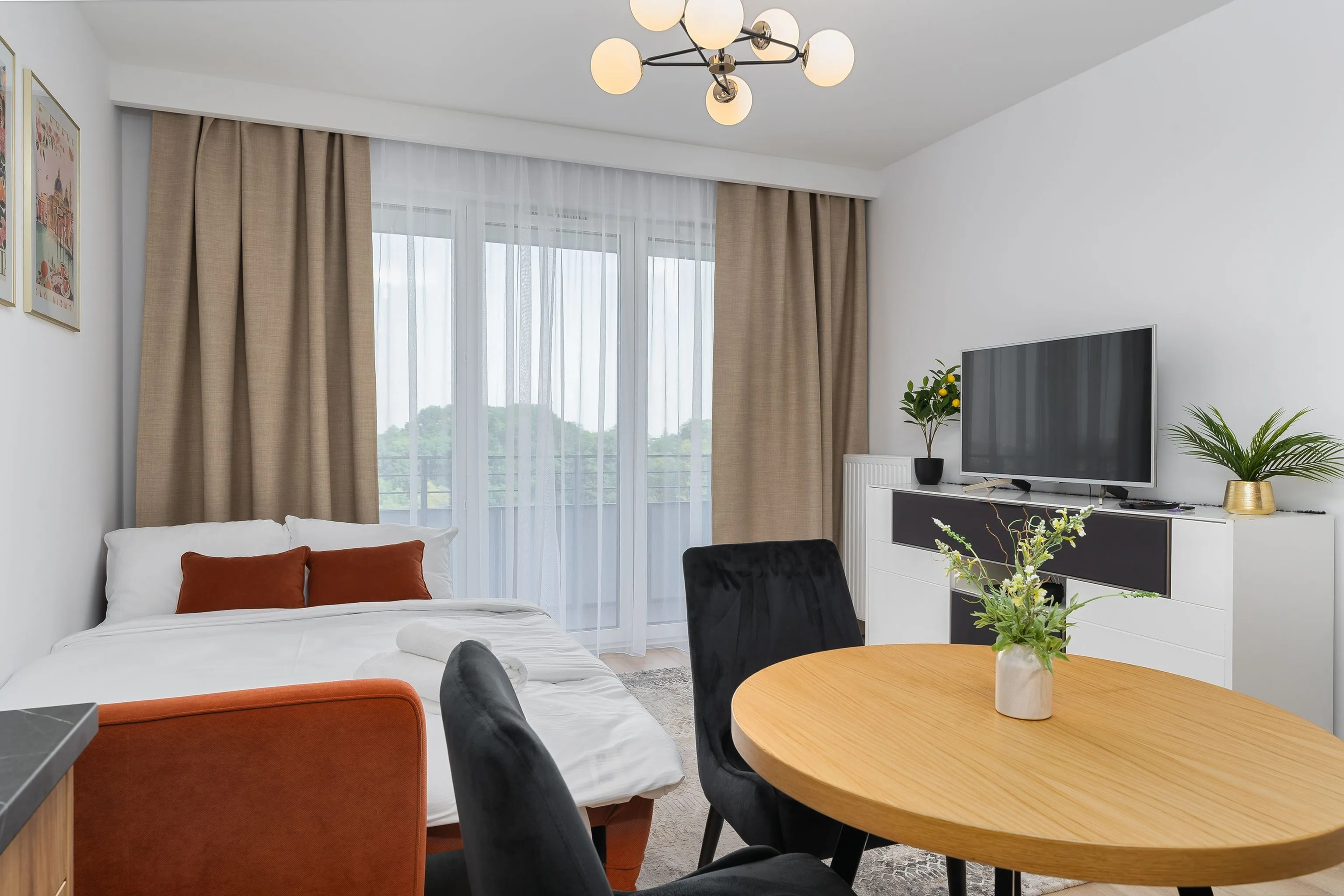
Furnished apartment living is a rental arrangement where the landlord provides the furniture, appliances, and often the kitchenware you need from day one. Instead of buying a bed, sofa, and dining set, you pay a higher monthly rent for a move-in-ready home. The exact contents vary by property and lease type. The appeal of furnished apartment living is speed, since a temporary or uncertain timeline rarely justifies buying furniture you will soon have to sell. These rentals also tend to come with shorter, more flexible lease terms than a standard twelve-month agreement, which suits a temporary stay.
Fully Furnished vs Semi Furnished Apartment Options
Not every listing labeled as furnished includes the same things, and the gap matters. A fully furnished unit typically comes with bedroom furniture, a sofa and coffee table, a dining set, and kitchen essentials like dishes, pots, and linens. A semi furnished apartment usually covers the big pieces only: a bed frame, mattress, and maybe a couch, with no cookware or linens. Some listings marked furnished include just the major appliances, a refrigerator, stove, and washer. Always ask for a written inventory before you sign so you know exactly what an apartment with furniture actually provides.
Do Furnished Apartments Cost More Than Unfurnished Units?
Yes, furnished apartments almost always cost more per month, but the premium ranges widely. As of early 2026, national data from Nomad showed furnished long-term rentals leasing at about 108% of their rent estimate, versus 103% for unfurnished units, roughly $125 extra on a $2,500 rent. Other markets see premiums of 15% to 50%, with the widest gaps near hospitals and corporate campuses.
The premium buys convenience, not ownership. You are paying so the landlord carries the upfront cost of outfitting the unit, which can top $10,000 for a one-bedroom, plus the risk of vacancy between short-term tenants. Furnishing an unfurnished apartment yourself runs roughly $2,000 on the budget end and $5,000 to $8,000 for mid-range pieces, based on 2025 furniture pricing. That gap is why the math flips with time. If a furnished unit costs $300 more each month and you would otherwise spend $2,000 on furniture, you break even in about seven months. Stay two years or longer, and buying your own furniture usually wins. A studio changes the calculation, since smaller apartments are the cheapest to furnish. Remember to compare like with like, too. Some furnished rents fold in electricity, water, and internet, so a higher sticker price can still beat an unfurnished unit once you add those bills back.
| Factor | Furnished Apartment | Unfurnished Apartment |
|---|---|---|
| Monthly rent | 15% to 40% higher on average | Lower base rate |
| Upfront furniture cost | None; move in with a suitcase | $2,000 to $8,000 or more to outfit |
| Typical lease length | 1 to 12 months, month-to-month common | 12 months or longer |
| What is included | Furniture, appliances, often utilities | Bare unit, major appliances only |
| Move-out effort | Walk away, nothing to haul | Sell, donate, or move everything |
| Bottom line | Best for stays under about a year | Best for stays of two years or more |
Who Benefits Most From Furnished Rentals and Corporate Housing?
Furnished rentals fit anyone who values speed and flexibility over permanence. Travel nurses, relocating professionals, interns, and people between homes make up most of the demand, especially near hospitals, universities, and business corridors. Corporate housing is the higher-end slice of this market, aimed at business travelers on temporary assignments and often priced above standard rents.
The common thread is a short or uncertain timeline, which is exactly where furnished apartment living pays off. Buying furniture rarely makes sense when you might relocate again in six months. Furnished living tends to work best for:
- Traveling professionals and travel nurses on 30 to 90 day assignments
- Students and interns who need a place for a single semester
- Workers relocating for a job before a permanent home is ready
- Renters between leases who are staging a longer move
Corporate housing often bundles utilities and internet into one monthly rate, which simplifies budgeting for a temporary stay. If an employer is covering the cost, it is worth asking whether furnished housing can be part of a relocation package. Location matters too. You can review the neighborhood and directions to see how the US-290 corridor connects to Houston's job centers, then browse the community amenities that may cover things you would otherwise buy or set up on your own.
Frequently Asked Questions
1. Is renting furnished worth it for a short-term stay?
For stays under roughly seven months, renting furnished usually costs less than buying furniture you would soon sell at a loss. It also saves the time and hassle of shopping, delivery, and setup. The shorter and more uncertain your timeline, the more the convenience justifies the higher monthly rent.
2. What should a fully furnished flat for rent include?
A true fully furnished flat for rent should cover the essentials in every room. At a minimum, expect:
- A bed frame, mattress, and dresser
- A sofa, seating, and a coffee or side table
- A dining table with chairs
- Kitchen basics such as a refrigerator, stove, and often cookware
- Linens, towels, and small appliances in higher-end units
Ask for a written inventory so nothing is left to assumption.
3. How do I inspect an apartment with furniture before signing?
Walk through the unit and photograph every piece of furniture, noting existing wear or damage. Confirm in writing who is responsible if something breaks and what counts as normal wear. Read your lease closely and know your protections; USAGov's tenant rights resources explain how to handle a dispute with a landlord.
4. Where can I find furnished apartments for rent in Northwest Houston?
Furnished apartments for rent cluster near hospitals, universities, and business corridors where short-term demand runs high. In Northwest Houston, the US-290 area draws relocating professionals for exactly that reason. Even when you furnish a compact studio yourself, the low furniture cost delivers similar move-in speed at a lower monthly rate.
5. Do furnished apartments require a larger security deposit?
Often, yes. Because the landlord is trusting you with furniture and appliances that are expensive to replace, many furnished apartments ask for a higher deposit, sometimes an extra month of rent. Document the condition of everything at move-in with photos so you are not charged for pre-existing damage later.
Is Furnished Apartment Living Right for You?
Furnished apartment living rewards renters who are moving fast, staying briefly, or simply tired of owning a sofa. If your timeline is short or your next address is uncertain, the premium usually pays for itself in saved time and avoided furniture costs. For longer stays, an unfurnished studio you outfit yourself will almost always cost less over time, and a compact layout keeps that furniture bill small. Either way, a well-located studio in Northwest Houston puts you close to the US-290 job corridor and the flexibility this lifestyle is built around. Explore the available studio floor plans at The Reserve at Rye 290 to find a layout that fits how you want to live.