
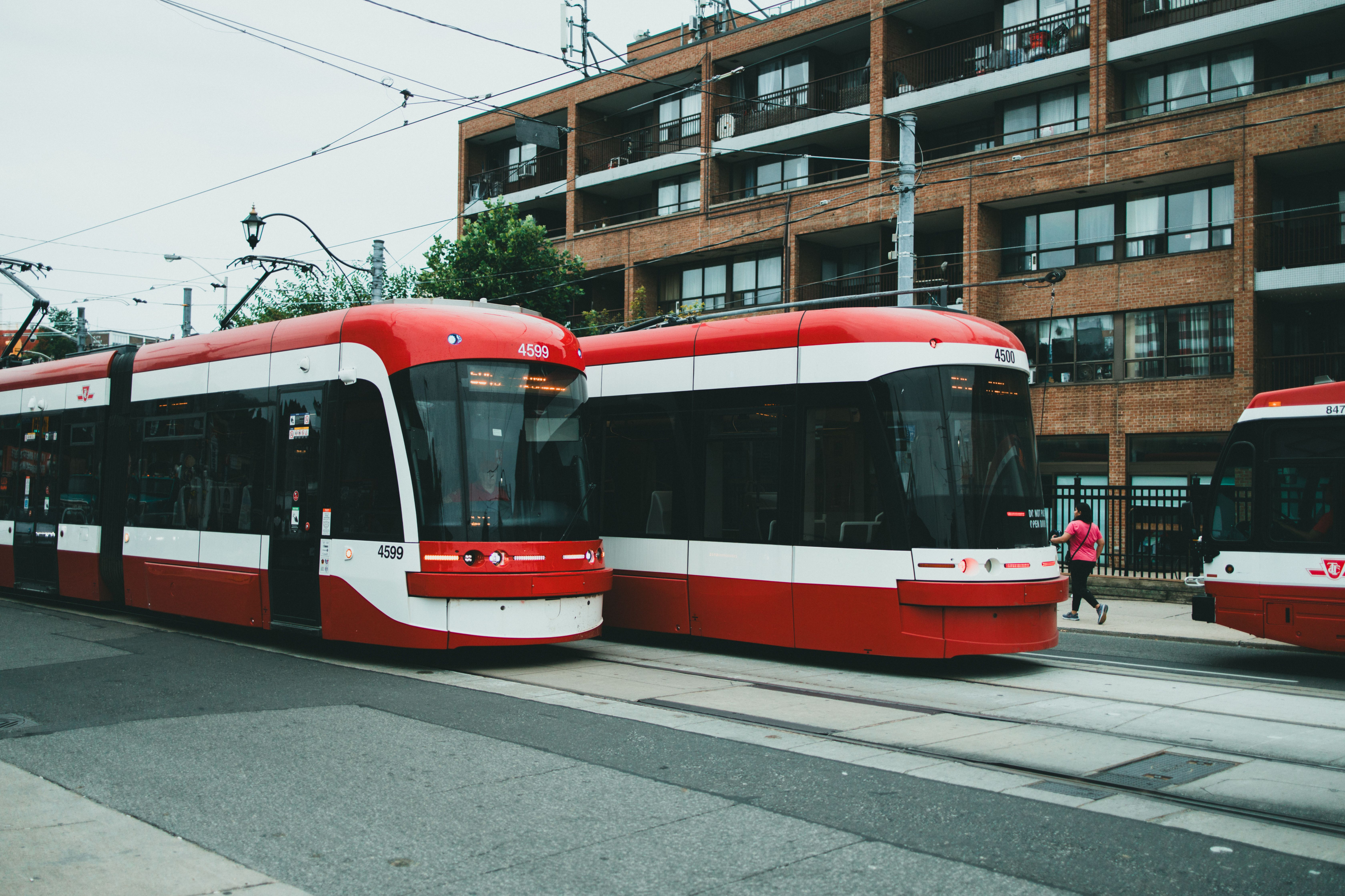
Quick Answer: Commuting from NW Houston to the Energy Corridor usually runs about 14 miles and 20 to 40 minutes, depending on the hour. The Galleria sits closer at roughly 12 miles, Downtown near 15, and the Texas Medical Center around 20. Beltway 8, US-290 and the 610 West Loop carry most of that traffic.
Four job centers pull workers off the 290 corridor every weekday. The Reserve at Rye 290 sits at 14255 Northwest Freeway, serving Northwest Houston renters who want the Energy Corridor, Uptown, Downtown and the Medical Center in reach, and our neighborhood map and directions page shows why that matters. The four drives behave very differently, and the gap between them is wider than most renters expect.
What to Look For in Northwest Houston Neighborhoods Before You Sign
Distance matters less than direction. A 12-mile drive that crosses the 610 West Loop at 8 a.m. can take longer than a 15-mile run down Beltway 8 to the Katy Freeway. When you compare northwest Houston neighborhoods, check which freeway your employer sits on, not just how many miles separate you from the office.
The 290 corridor is unusual because it feeds three separate escape routes. Beltway 8 drops south toward I-10 and the Energy Corridor. US-290 runs southeast into the 610 interchange for Uptown. And the HOV lane down the middle of 290 carries express buses straight into the Central Business District. Most renters only ever learn one of the three.
Houston Commute Times Are Longer Than the National Average
The U.S. Census Bureau put the national mean one-way commute at 27.2 minutes in 2024, up from 26.8 minutes the year before. Roughly 9.3 percent of American workers spent an hour or more getting to work each way. Harris County usually lands a couple of minutes above the national figure, which will not surprise anyone who has sat on 290 at 7:45 a.m.
Scale explains most of it. The Bureau of Labor Statistics counted about 3.47 million nonfarm jobs across the Houston metro in May 2025, scattered across districts that sit 10 to 25 miles apart. Houston commute times are a geography problem, not a single bottleneck.
How Far Is Each Job Center From the 290 Corridor?
Roughly 12 to 20 miles, with the Galleria closest and the Texas Medical Center farthest out. The table below gives planning estimates for a weekday trip starting near US-290 and Beltway 8. Treat every number as a range rather than a promise.
| Destination | Approx. distance | Off-peak drive | Weekday AM peak | Main route |
|---|---|---|---|---|
| Galleria / Uptown | 12 miles | 18 to 22 min | 30 to 45 min | US-290 to 610 West |
| Energy Corridor | 14 miles | 18 to 22 min | 25 to 40 min | Beltway 8 south to I-10 |
| Downtown Houston | 15 miles | 20 to 25 min | 35 to 50 min | US-290 to I-10, or the 290 HOV lane |
| Texas Medical Center | 20 miles | 25 to 30 min | 40 to 60 min | 610 West to Fannin |
Those figures are planning estimates built from road distance and typical peak conditions, not measured trip data. Published drive-time averages vary quite a bit between providers, so check live conditions before you sign a lease around any single number.
Energy Corridor Apartments or a Beltway 8 Shortcut
The Energy Corridor District reports more than 94,000 employees and over 300 companies along a seven-mile stretch of I-10 west of Beltway 8. From the 290 corridor you reach all of it by heading south on the Sam Houston Tollway, which skips the West Loop entirely. That one routing detail is why plenty of energy workers pass on Energy Corridor apartments and rent northwest instead: a clean shot west, no inner-loop pricing.
Apartments Near Galleria Houston and the Uptown Run
Uptown packs roughly 23.6 million square feet of office space into about 1,010 acres, one of the largest business districts in the country by floor area. It is also the shortest of the four drives at around 12 miles. Renters searching for apartments near Galleria Houston often struggle to justify Uptown pricing once they realize a 20-minute drive covers the same ground from a quieter ZIP code.
Apartments Near Downtown Houston, or a Park and Ride Seat?
Downtown holds about 50 million square feet of office space and roughly 150,000 workers, according to Downtown Houston. It is also the one destination where driving is genuinely optional. METRO runs express buses in the US-290 HOV lane from the West Little York Park and Ride on Hempstead Road, which shares our 77040 ZIP code, straight into the Central Business District. Riders bound for the Medical Center transfer at the Northwest Transit Center. Anyone shopping for apartments near Downtown Houston should price that seat in first.
Why Renters Call This One of the Best Areas to Live in Houston
Optionality, mostly. A 77040 address does not lock you into one employer or one freeway, which counts for a lot in a city where people change jobs across districts more often than they change apartments. Four job centers, four routes, one lease.
Here is what that looks like on a normal Tuesday:
- Beltway 8 south to I-10 for the Energy Corridor, no West Loop involved
- US-290 into 610 West for Uptown and the Galleria
- The 290 HOV lane, or a Park and Ride seat, for Downtown
- 610 West down to Fannin for the Texas Medical Center, which employs about 106,000 people
Best Houston Suburbs Compared With a 77040 Address
Cypress, Katy and Tomball land on every list of the best Houston suburbs, and they earn it. They also sit 10 to 20 miles farther out. From Cypress, a Medical Center run can push past an hour in morning traffic. Inside Beltway 8 you trade yard space for time, which is an easy swap if you are renting a studio anyway. Our studio and efficiency floor plans are built around exactly that calculation.
Frequently Asked Questions
1. How long is the drive from Northwest Houston to the Energy Corridor?
Plan on 18 to 22 minutes off-peak and 25 to 40 minutes during the weekday morning rush, covering roughly 14 miles. The Beltway 8 route south to I-10 avoids the West Loop, which is the single biggest reason this drive holds up better than the Downtown or Medical Center runs.
2. Is the METRO Park and Ride actually worth it from the 290 corridor?
For Downtown and Medical Center workers, often yes. Weigh these before deciding:
- Express buses use the 290 HOV lane, bypassing general traffic
- Park and Ride fares are set by zone rather than distance
- The West Little York lot sits in 77040, minutes from home
- Medical Center riders transfer once, at the Northwest Transit Center
3. What are the best neighborhoods in Houston for a short Energy Corridor drive?
Anything with direct Beltway 8 or Katy Freeway access. The 290 and Beltway 8 area works well because the tollway runs straight south to I-10. Memorial and Spring Branch sit closer but cost more, and neither offers the same access to Downtown and Uptown from the same address.
4. Do I need a toll tag to commute from the 290 corridor?
Not strictly, but it helps. The Sam Houston Tollway is the fastest link to the Energy Corridor, and it is cashless. US-290 itself is free, as is the 610 loop, so Uptown and Downtown commuters can skip tolls entirely if they are willing to accept a slower peak-hour drive.
5. When is US-290 traffic at its worst?
Inbound congestion typically builds between 6:45 and 8:45 a.m., with the outbound crush running 4 to 6:30 p.m. Leaving 30 minutes earlier often saves 15 minutes or more. METRO reverses the 290 HOV lane on a similar schedule, inbound in the morning and outbound in the afternoon.
The Bottom Line for 290 Corridor Renters
Commuting from NW Houston to the Energy Corridor is only one of four routes worth measuring before you sign, and a 77040 address keeps all four on the table. The Galleria is closest, Downtown is the easiest to reach without a car, and the Medical Center asks the most of your morning. Take a look at our gated community features or start at The Reserve at Rye 290 to see how the location fits your week. Drive each route once at your actual start time before you decide.